 Глобальный
  English
 中文简体
中文简体 русский
 Español
СГР ' с Н Серийный соосный планетарн...
Подробнее
Каталог новостей
Готовые трансмиссии редко подходят для машин, созданных с учетом необычных ограничений по крутящему моменту, скорости или пространству — в этом и заключается недостаток. индивидуальные коробки передач близко. Вместо того, чтобы навязывать проектирование оборудования вокруг детали из каталога, инженеры работают в обратном порядке, исходя из точных требований к крутящему моменту, передаточному отношению и монтажу, чтобы создать коробку передач, подходящую для машины, а не наоборот.
Редуктор, изготовленный по индивидуальному заказу, разрабатывается с учетом конкретного набора требований применения, а не выбирается из стандартного каталога. Инженеры определяют крутящий момент, передаточное число, входную и выходную скорость, ориентацию установки и условия окружающей среды, а затем проектируют соответствующий тип шестерни, корпус и расположение подшипников. В результате получается трансмиссия, которая точно соответствует занимаемой площади и профилю нагрузки машины, вместо того, чтобы заставлять конструкцию оборудования учитывать стандартную деталь.
Поскольку каждый параметр разрабатывается, а не предполагается, специальные редукторы обычно превосходят стандартные агрегаты по показателям, которые наиболее важны для специализированного оборудования: оптимизированная эффективность для точного профиля нагрузки, лучшая обработка нагрузки при характере нагрузки для конкретного применения, компактная конструкция, подходящая для ограниченного оборудования, и более длительный срок службы, когда редуктор создан для реальных условий эксплуатации, а не для типичного худшего случая.
Специализированные требования к трансмиссии возникают почти во всех отраслях тяжелой промышленности, поэтому индивидуальные коробки передач редко ограничиваются одним типом оборудования.
| Тип коробки передач | Типичный крутящий момент | Лучше всего подходит для |
| Планетарный | Высокий | Компактная, высокомоментная робототехника и автоматизация |
| спиральный | Умеренно-Высокий | Плавные и эффективные системы непрерывного привода |
| Червь | Умеренный | Компактные угловые самоблокирующиеся устройства. |
| Фаска | Умеренно-Высокий | Прямоугольная передача мощности |
| Шпора | Низкий-умеренный | Простые и недорогие прецизионные приводы |
Фиксированное соотношение и варианты размещения
Более быстрое время выполнения заказа, более низкая стоимость единицы продукции
Лучше всего подходит для обычных, четко определенных нагрузок.
Разработан с учетом требований по крутящему моменту и пространству
Оптимизированная эффективность и срок службы
Лучше всего подходит для специализированного или ограниченного оборудования.
Начните с требований к крутящему моменту и мощности, затем подтвердите рабочую скорость и передаточное число, необходимые для достижения целевой мощности. Рабочая среда имеет такое же значение, как и механические характеристики: при промывке, морской или наружной установке необходимо учитывать требования к корпусу и уплотнению, для которых стандартный редуктор внутреннего применения никогда не был предназначен. Наконец, прежде чем окончательно согласовать проект с производителем, взвесьте размеры и ограничения по монтажу в зависимости от ожидаемого срока службы.
Сроки варьируются в зависимости от сложности, но большинство проектов проходят этапы проектирования, прототипирования и проверки, прежде чем перейти к серийному производству.
Себестоимость единицы продукции зачастую выше, но повышение эффективности, пригодности и срока службы часто снижает общую стоимость владения в течение срока службы оборудования.
Да, коррозионностойкие материалы и уплотнения могут быть указаны для морского и морского оборудования на этапе проектирования.
Крутящий момент, скорость, передаточное число, ориентация установки, условия окружающей среды и ограничения по пространству — это основные исходные данные, необходимые для начала проектирования.
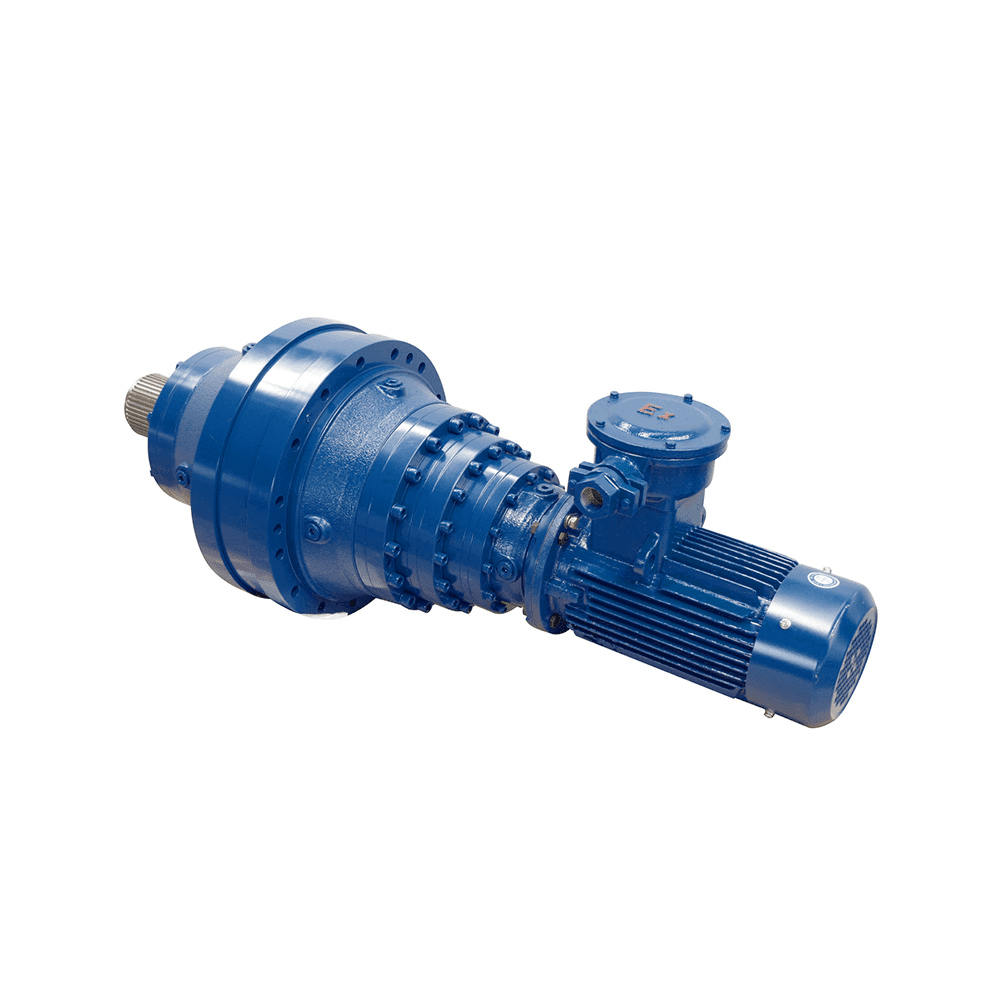
СГР ' с Н Серийный соосный планетарн...
Подробнее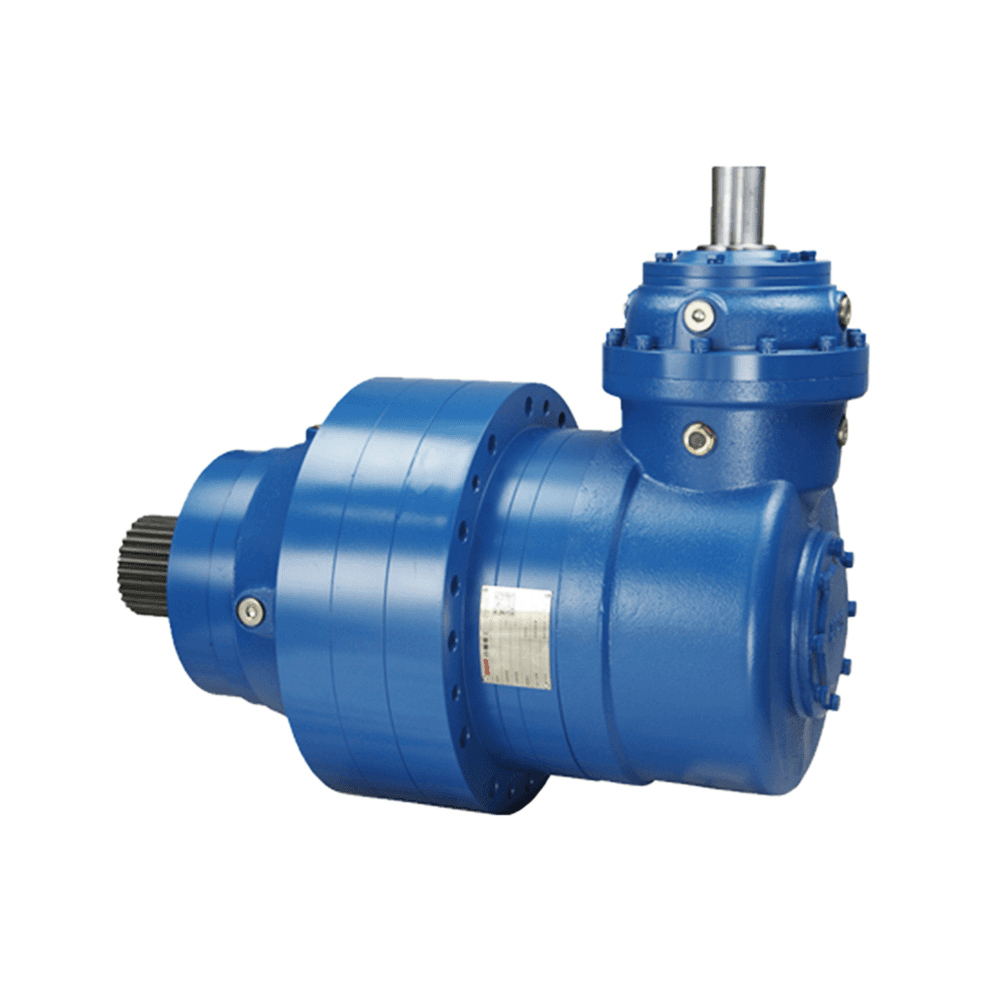
Информация о продукте: Высокоскоростные п...
Подробнее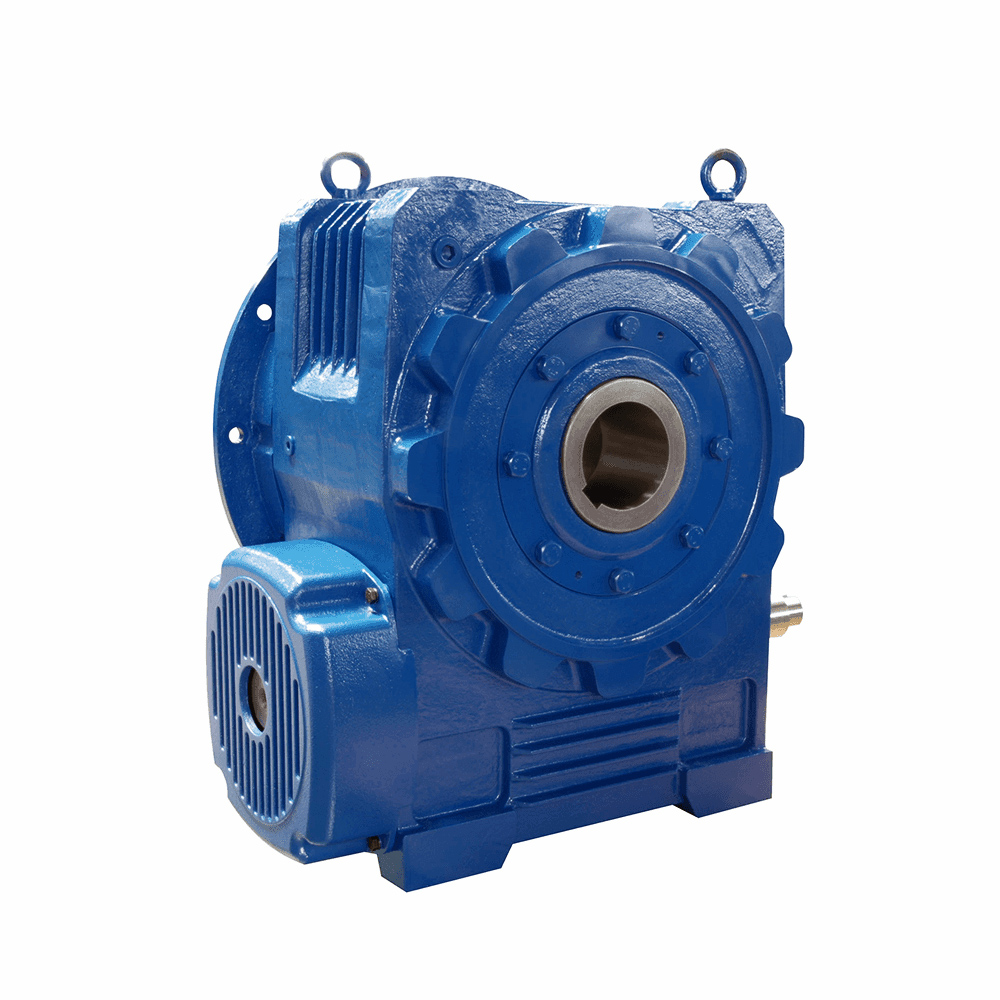
Межцентровое расстояние: 100~710 мм Коэффициент скорости: i ≥ 10. Модульность конструкции,...
Подробнее
Межцентровое расстояние: 100~710 мм Коэффициент скорости: i ≥ 10. Модульность конструкции,...
Подробнее
SGR разрабатывает и производит специализированные червячные редукторы для навесного оборудования ...
Подробнее
SGR разрабатывает и производит специализированные червячные редукторы для навесного оборудования ...
Подробнее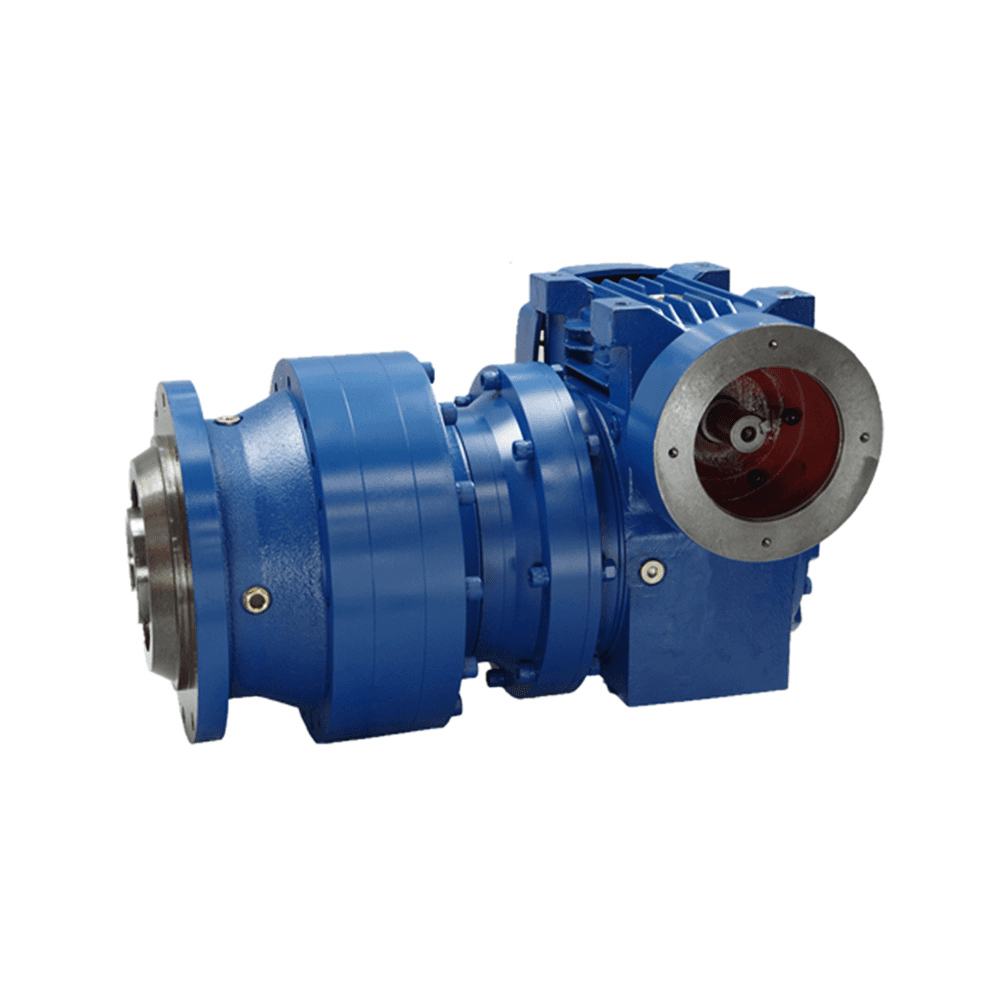
Комбинированный планетарно-тороидальный червячный редуктор, разработанный SGR, имеет компактную к...
Подробнее
SGR является производителем промышленных редукторов, сертифицированным по стандарту ISO 9001 и аккредитованным DNV с 1996 года. Мы поставляем различные зубчатые редукторы брендам по всему миру.

